Namibia North — Rugged North
21 days through Etosha, Himba country and the Kunene River in a guided 4x4 self-drive convoy
Guided 4x4 Self-Drive
Namibia North — Rugged North
21 days through Etosha, Himba country and the Kunene River in a guided 4x4 self-drive convoy
About This Tour
Tour Highlights
- Etosha National Park — Africa's premier wildlife destination
- Himba tribe cultural visit in the Kunene region
- Epupa Falls on the Kunene River bordering Angola
- Kaokoland — one of Africa's last true wilderness areas
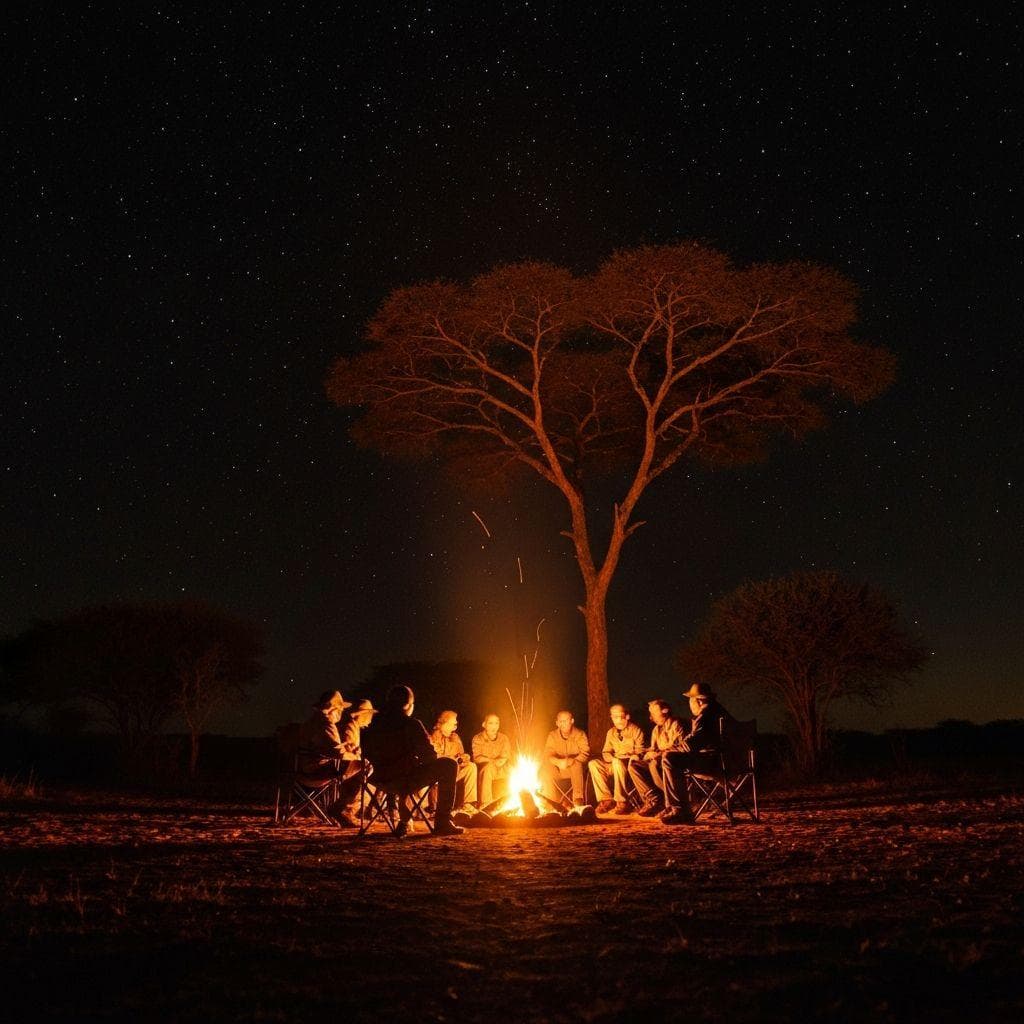
- Rooftop tent camping under star-filled skies
- Guided convoy with full mechanical support
- Expert off-road tuition on challenging tracks
- Wildlife drives at dawn and dusk
- Wild camping at remote, exclusive locations
- Flexible daily routes — you set your own pace
Day-by-Day Itinerary
Windhoek — Welcome & Vehicle Collection
Arrive in Windhoek, collect your 4x4 rental vehicle with rooftop tent, meet the group and receive a full vehicle and equipment briefing. Evening welcome dinner.
Windhoek — Waterberg Plateau
Drive north to the Waterberg Plateau, a dramatic red sandstone massif rising 200m above the surrounding plains. Sundowner drinks at the viewpoint.
Waterberg — Otjiwarongo — Outjo
Continue north through Namibia's farming heartland, stopping at Otjiwarongo before making camp near Outjo, the gateway to Etosha.
Enter Etosha National Park
Enter Etosha through the southern Anderson Gate and begin your first game drive across the vast calcrete pan. Afternoon at a floodlit waterhole.
Etosha — Halali Camp
Full day game drives through Etosha's central section. Halali's floodlit waterhole is one of the best in Africa — lions, elephants, and rhino visit after dark.
Etosha — Namutoni Camp
Drive east towards Namutoni, the historic fort-turned-camp. The Fischer's Pan area is excellent for flamingo and pelican sightings.
Etosha — Exit North to Kaokoland
Exit Etosha through the Galton Gate and enter the remote Kaokoland, one of the most sparsely populated regions on earth.
Kaokoland — Ruacana Falls
Reach Ruacana on the Kunene River. Wild camp on the river bank.
Kunene River — Epupa Falls
Drive the scenic Kunene River road to Epupa Falls, where the river drops in a series of cascades fringed by giant makalani palms.
Epupa — Himba Village Visit
Morning visit to a traditional Himba settlement. Afternoon at leisure at Epupa.
Epupa — Opuwo
Drive to Opuwo, the capital of Kaokoland and a fascinating cultural melting pot.
Opuwo — Palmwag Concession
Head south into the Palmwag Concession, home to desert-adapted elephants and free-roaming black rhino.
Palmwag — Twyfelfontein
Visit Twyfelfontein, a UNESCO World Heritage Site with over 2,000 San rock engravings.
Damaraland — Petrified Forest
Explore the Petrified Forest and the Organ Pipes geological formation before heading south.
Brandberg — Highest Mountain in Namibia
Pass the Brandberg massif and visit the famous White Lady rock painting.
Skeleton Coast — Henties Bay
Drive to the wild Skeleton Coast where the cold Benguela Current meets the Namib Desert.
Skeleton Coast — Cape Cross
Visit Cape Cross, home to the largest Cape fur seal colony in the world.
Swakopmund
Arrive in Swakopmund, Namibia's adventure capital. Rest day with optional activities.
Swakopmund — Moon Landscape — Spitzkoppe
Drive through the surreal Moon Landscape before camping at Spitzkoppe.
Spitzkoppe — Windhoek
Morning at Spitzkoppe before the final drive back to Windhoek. Last group dinner.
Windhoek — Departure
Vehicle return and transfer to Hosea Kutako International Airport. Farewell to your convoy family.
What is Included
- 4x4 vehicle and rooftop tent rental
- Breakfast and Dinner is included
- Expert Quo Vadis lead guide vehicle
- Full route planning and logistics
- All national park entrance fees
- Campsite bookings throughout
- Pre-departure vehicle briefing
- Himba village cultural visit fee
Not Included
- Flights to/from Windhoek
- Travel and medical insurance
- Fuel and vehicle expenses
- Optional activities (quad biking, etc.)
- Visa fees where applicable
- Personal spending money
Tour Pricing
All prices are per person and are subject to change. Contact us for the latest availability and seasonal pricing.
Tour fee per person
Contact us
Based on group size
Your 4x4
Your vehicle is fully equipped and ready for the trail. Below is a summary of what you can expect based on your group size.
We provide properly prepared rental 4x4 vehicles suitable for Southern African travel conditions. Our vehicle suppliers are chosen with great care and only use companies who maintain their vehicles to optimal standards.
Depending on the specific itinerary and package, vehicles may include high clearance 4x4 capability, air-conditioning, spare tyres, recovery equipment, camping gear, rooftop tent, fridge/freezer, and basic overland equipment.
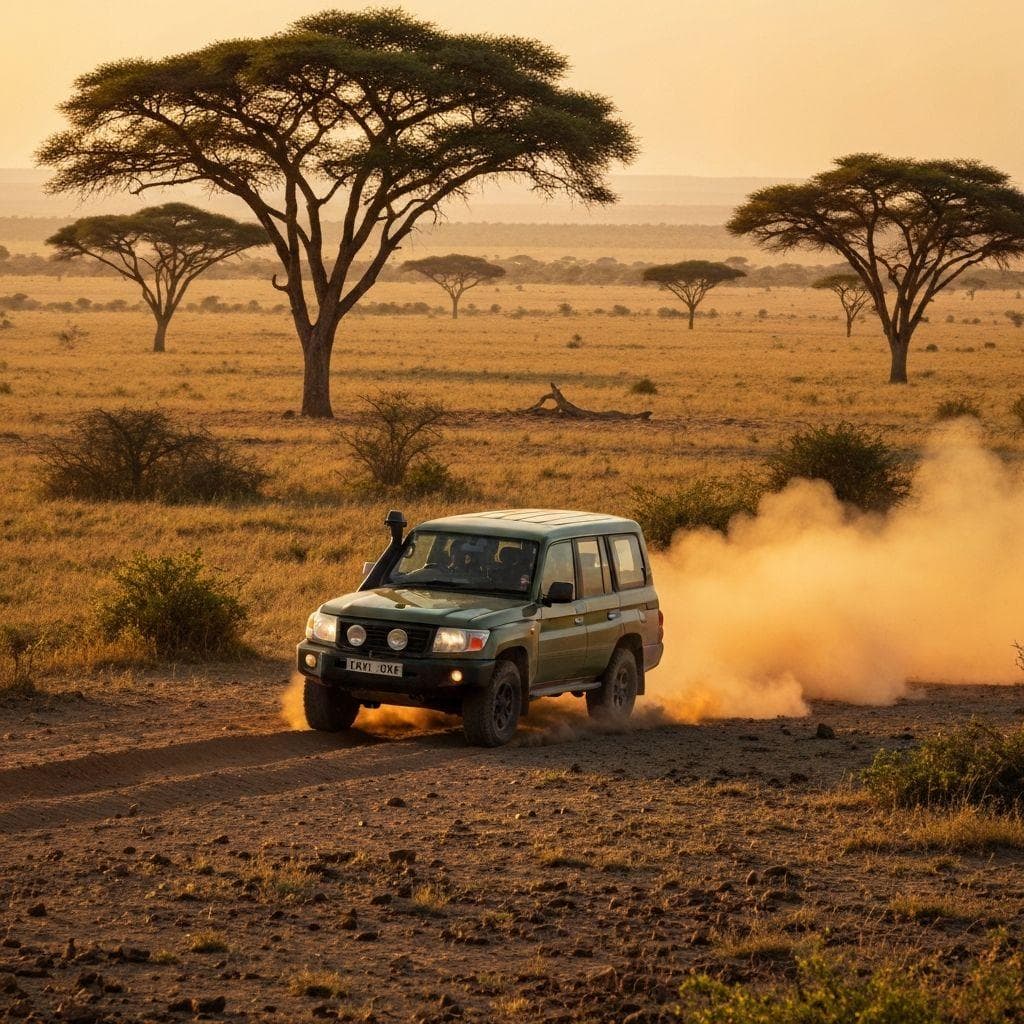
The most common vehicles we hire are the Toyota Hilux or the Ford Ranger 4x4 with rooftop tent.
If preferred, we can also provide ground tents which must be requested during the booking process.
Vehicle Allocation by Group Size
Groups of 1–2 Travelers
- Single-cab 4x4 vehicle
- Single rooftop tent included
Groups of 3–5 Travelers
- Double-cab 4x4 vehicle
- Two rooftop tents included
Vehicle upgrades are available upon request. Please note that any price difference will be charged to your account.
Full vehicle specifications and a comprehensive equipment list will be sent to you once your reservation is confirmed and the deposit has been received.
What To Bring
Packing correctly makes all the difference on a 4x4 expedition. Here is our recommended packing list for all Quo Vadis tours.
Southern Africa 4x4 camping typically involves strong sun, dust, bumpy roads, and big day and night temperature swings. This checklist prioritises lightweight, durable, quick-dry items and easy organisation for life on the road. Use this as a guideline — add or omit items to suit your own personal circumstances and needs.
Documents & Money
Keep these accessible at all times.
- Valid passport and visa where required (minimum 6 months validity) + paper copies + photos stored offline on your phone
- Driver's licence (and International Driving Permit if you will be driving)
- Travel and medical insurance details + emergency contacts
- Bookings and travel documents saved offline
- Local cash in small notes + bank card (remote areas may have limited card facilities)
- Document wallet / zip pouch (dust-resistant)
- Children under 18: passport, visa where applicable, and international unabridged birth certificate
Clothing
Aim for breathable, quick-dry fabrics in neutral colours — practical for bush travel.
- 3–5 quick-dry T-shirts / tops
- 2–3 long-sleeve shirts (sun and insect protection)
- 2 shorts
- 1–2 long pants (evenings, bush, ticks)
- Warm layer (fleece/hoodie) for cold mornings and nights
- Light rain jacket / windbreaker
- Underwear and socks (extra pairs for limited laundry)
- Sleepwear
- Swimwear (optional but useful)
- Closed walking shoes / trail runners
- Sandals / camp shoes
- Light boots (optional for frequent hikes)
Sun, Heat & Dust Protection
High priority for all destinations.
- Wide-brim hat or cap with neck protection
- Sunglasses
- High-SPF sunscreen (SPF 50+)
- Lip balm
- Buff / scarf (dust protection on windy tracks)
- Reusable water bottles — insulated, minimum 2 x 1L
- Electrolyte sachets / rehydration salts
Toiletries & Hygiene
Travel-size items in tough, dust-resistant packaging.
- Toothbrush and toothpaste
- Deodorant
- Biodegradable soap and small shampoo
- Microfibre towel
- Wet wipes
- Hand sanitiser
- Tissues and small toilet paper roll (remote stops can be basic)
- Nail clippers and small mirror
- Shower sandals (recommended for campsites)
Health, First Aid & Personal Medication
- Prescription medicines (plus a few extra days) + copy of script
- Basic pain / fever relief
- Antihistamines (allergies / bites)
- Anti-diarrhoeal tablets + oral rehydration salts
- Plasters and blister pads
- Antiseptic wipes / cream and small bandage
- Insect repellent
- After-bite / anti-itch cream
- Tweezers (thorns / ticks)
- Eye drops (dust)
- Motion sickness tablets (corrugated roads)
- Small personal medical kit pouch (labelled)
Tech & Power
Camping-friendly essentials.
- Phone
- Charging cables (carry a spare)
- Power bank (high capacity)
- 12V car charger
- Headlamp (hands-free in camp) and spare batteries
- Camera (optional) and spare SD card / batteries
Comfort & Quality-of-Life Items
- Earplugs (wind, frogs, other campers)
- Sleeping mask (early sunrise / camp lights)
- Small daypack
- Light gloves (cold mornings, camp chores)
- Compact travel pillow
- Dry bags / ziplock bags (dust and organisation)
- Small laundry kit (detergent sheets, travel line, pegs)
- Refillable spray bottle (cooling mist / quick rinse)
Camping-Specific Personal Items
- Sleeping bag suitable for cold nights (or a warmer liner and blanket — see your 4x4 list)
- Sleeping bag liner (adds warmth and hygiene — see your 4x4 list)
- Personal mug / cup and cutlery if not provided by the tour
- Head-to-toe quick-dry camp clothing (kept separate from driving clothes)
- Personal snacks (nuts, biltong, energy bars, etc.)
- Lighter
Wildlife & Exploration Extras
Nice-to-have items.
- Binoculars (a big upgrade for wildlife sightings)
- Field guide app or book (birds, animals, trees)
- Notebook and pen (route notes, sightings, reflections)
Quick Packing Principles
- •Use a soft duffel or soft-sided bag rather than a hard suitcase — easier to pack in a 4x4.
- •Pack in modules: clothes cube / toiletries pouch / med kit / tech kit.
- •Keep a grab bag in the vehicle: hat, sunscreen, sunglasses, water, camera / binoculars.
- •Always carry one warm layer even in hot months — early mornings and desert nights can be cold.
- •Pack duplicates of mission-critical items (one spare cable, one spare headlamp battery set, etc.).
- •Keep medicines and documents in a dust-proof pouch and away from heat.
- •If entering malaria-risk regions, get personalised medical advice before travel. You will be advised in your tour programme if it is required.
Seasonal Packing Guide
Seasons vary by region — use this as a practical rule-of-thumb when packing outside the rainy season.
| Category | Summer (hotter, more insects) | Winter (colder nights, drier air) |
|---|---|---|
| Clothing | More quick-dry tops; extra light long-sleeves for sun/insects; breathable hat. | Add a warmer fleece; extra long pants; consider a beanie for early mornings. |
| Sleeping gear | Lighter sleeping bag or sheet + liner; ventilation-friendly sleepwear. | Warmer sleeping bag/liner; thermal base layer; hot-water bottle (optional). |
| Insect protection | Stronger repellent; consider a light long-sleeve camp shirt for evenings. | Still carry repellent; insects can remain in milder winter areas. |
| Hydration | Extra electrolytes; 1–2 bottles for day use; aim for regular sipping. | Don't underestimate dehydration — dry air and campfires can dry you out. |
| Sun & dust | Sunscreen top-ups; sunglasses; buff for dust and wind. | Same essentials; add moisturiser/lip balm as air is drier. |
| Footwear | Breathable shoes; camp sandals for heat. | Closed shoes for cold mornings; thicker socks. |
| Camp comfort | Cooling spray bottle; lighter gloves optional. | Gloves recommended; extra warm layer for sitting around the fire. |
Tour Photos

Interested in this tour?
Contact us should you require any further information, clarification or if you want to plan your own custom expedition, we're here to help.
Contact Us